One of the biggest myths about hydroponics is that it’s expensive.
When most people start researching hydroponic gardening, they see fancy systems costing hundreds—or even thousands—of dollars and immediately think:
“There’s no way I can afford that.”
I used to think the same thing.
But after growing hydroponic tomatoes, peppers, cucumbers, lettuce, and herbs, I discovered a simple secret:
One of the most important parts of a hydroponic system can often be found for free.
In fact, some of my favorite hydroponic buckets came from restaurants that were planning to throw them away.
That’s one of the reasons I love teaching hydroponics. Growing food doesn’t have to be expensive. You don’t need fancy equipment or a huge budget to get started.
Sometimes all you need is a free bucket and a healthy seedling.
One of the reasons I love the Kratky method is because it removes many of the barriers people think come with hydroponics.
There are no pumps, no electricity, and no complicated equipment to install.
A simple bucket, nutrient solution, and healthy plant are often all you need to get started.
Watch the Video
Watch the video below to see exactly how I find free buckets and turn them into productive hydroponic growing systems.
Why Food-Grade Buckets Matter
Not every bucket is safe for growing food.
Food-grade buckets are designed to safely hold food products and are commonly used by restaurants, bakeries, and food manufacturers.
When looking for buckets, ask what they previously contained.
Great options include buckets that held:
- Pickles
- Frosting
- Icing
- Mayonnaise
- Sauces
- Other food ingredients
These containers are often perfect for hydroponic gardening.
My Favorite Source for Free Buckets
One of my favorite places to get free buckets is Chick-fil-A.
Many locations receive ingredients in large food-grade buckets and simply throw them away when they’re empty.
The next time you’re picking up lunch, simply ask:
“Do you happen to have any empty pickle buckets you’re getting rid of?”
Most employees know exactly what you’re talking about because many ingredients arrive in large pickle buckets or similar food containers.
You might be surprised by the answer.
I’ve found that many employees are happy to give them away rather than throw them in the trash.
Another Great Option: Firehouse Subs Pickle Buckets
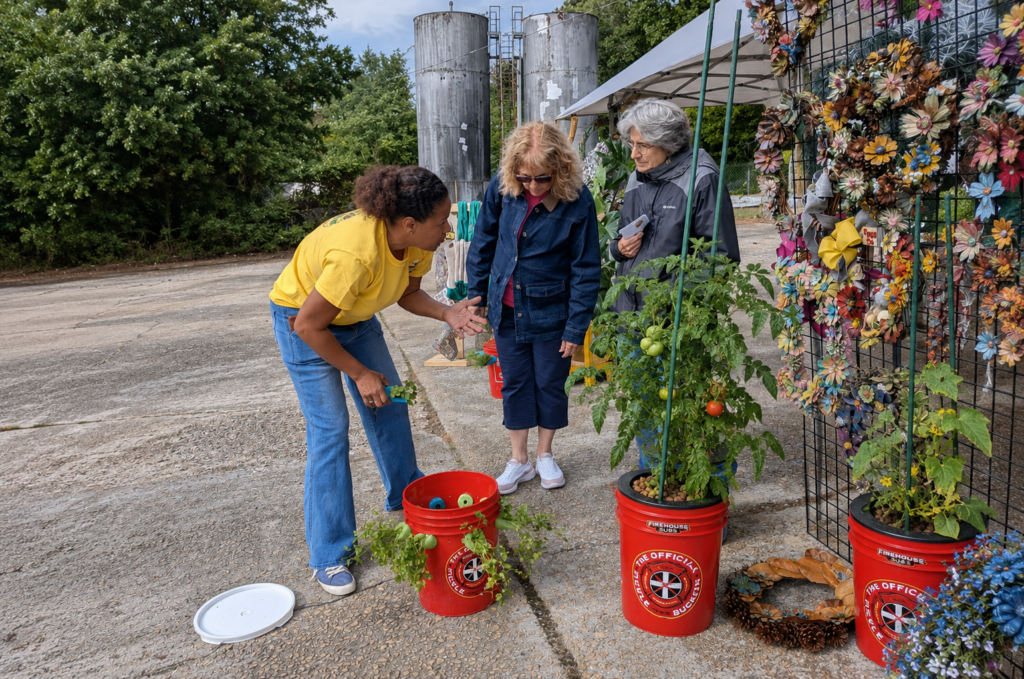
If you can’t find free buckets, check with your local Firehouse Subs restaurant.
Many locations sell their empty 5-gallon pickle buckets for a small donation, usually around $3–$4 per bucket.
These buckets are:
- Food grade
- Durable
- Come with a lid
- Perfect for hydroponic gardening
- Large enough for tomatoes, peppers, cucumbers, and other large plants
The only downside is that they may smell like pickles at first.
Don’t worry—that smell usually fades after a thorough cleaning and a few days of airing out.
For just a few dollars, you can get a bucket that would often cost much more at a hardware store.
Pro Tip
Call ahead before visiting.
Many Firehouse Subs locations save buckets for customers, but availability varies by store.
For beginner gardeners looking for an affordable hydroponic bucket setup, this is one of the best deals available.
Other Places to Find Food-Grade Buckets
Grocery Store Bakeries
Many bakeries receive frosting in large food-grade buckets.
Ask politely if they have any empty buckets available.
Local Restaurants
Restaurants often receive ingredients like pickles, sauces, and dressings in food-grade containers.
Many are happy to give empty buckets away rather than throw them out.
Donut Shops
Many donut shops receive icing in food-grade buckets that work great for hydroponics.
School Cafeterias
Some cafeterias regularly dispose of food-grade containers and may be willing to save them for you.
What Size Bucket Works Best?
For larger plants like tomatoes, peppers, cucumbers, squash, and zucchini, I recommend using a 5-gallon bucket.
Why I Like 5-Gallon Buckets
- Larger nutrient reservoir
- Less frequent refilling
- Better root development
- More stable for larger plants
- Easier to grow heavy-feeding crops
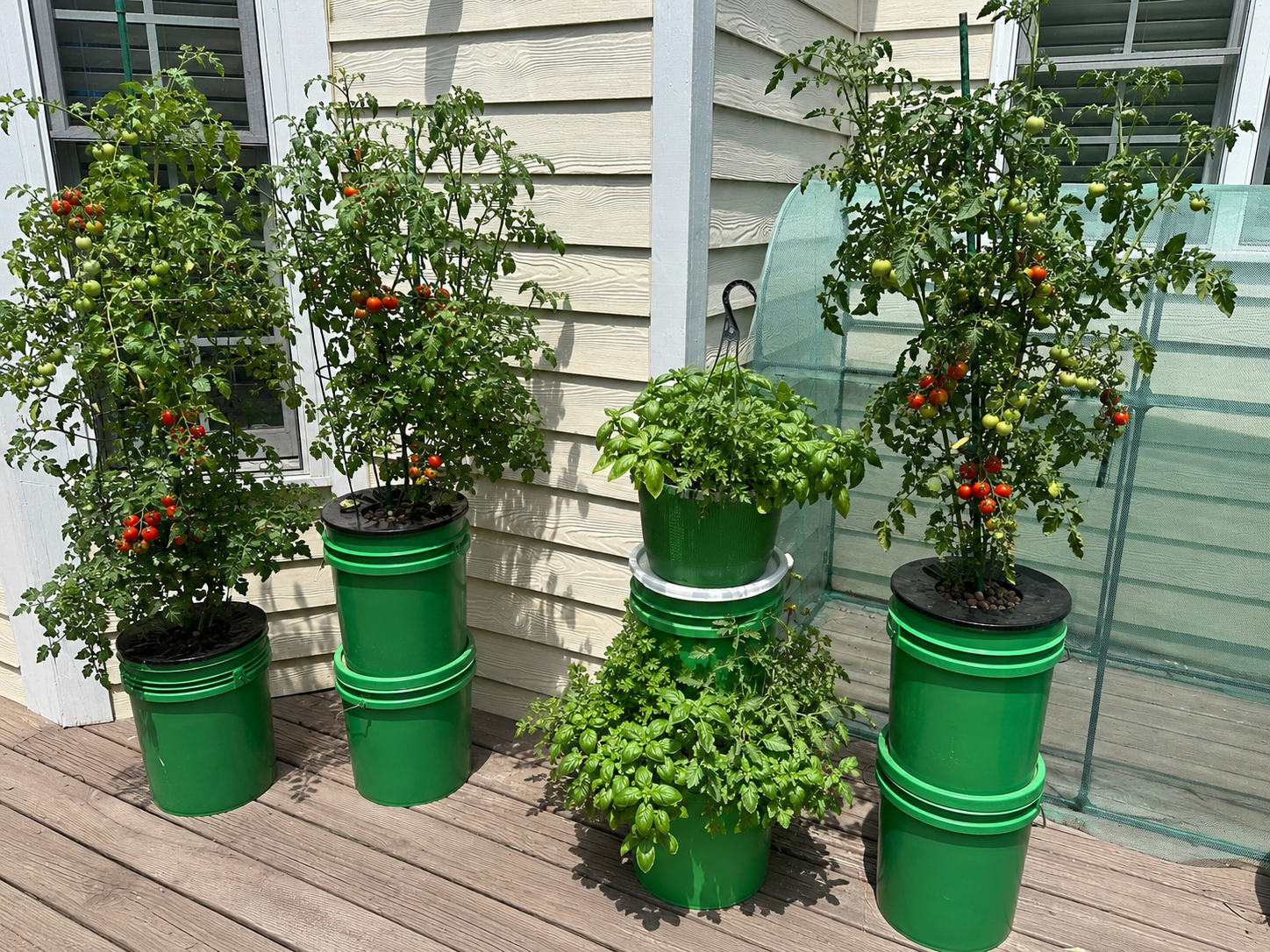
A single 5-gallon bucket can grow an impressive tomato plant using the Kratky method.
Perfect for Kratky Hydroponics
A 5-gallon bucket is the ideal size for a Kratky hydroponic system.
Because the bucket holds a large nutrient reservoir, plants can grow for extended periods with very little maintenance. As the water level naturally drops, the roots develop access to both nutrients and oxygen, which is the foundation of the Kratky method.
That’s why Kratky hydroponics is one of my favorite ways for beginners to grow food.
- No pumps
- No electricity
- No air stones
- No timers
- No complicated plumbing
It’s one of the simplest and most affordable ways to grow food at home.
Why I Love Cheap Hydroponics
One of the reasons I started Sow Growery was because I wanted people to realize that growing food doesn’t have to cost a fortune.
What makes this approach even more affordable is that I primarily teach the Kratky method.
Because there are no pumps, air stones, timers, or electrical components, your startup costs stay incredibly low.
For many gardeners, the most expensive part of the entire system is the nutrient solution.
You don’t need:
- Expensive hydroponic systems
- Fancy greenhouses
- Commercial growing equipment
You can start with:
- A free bucket
- A net pot
- Nutrients
- A healthy seedling
That’s enough to grow food.
Some of my biggest hydroponic tomato plants started in buckets that cost absolutely nothing.
Join our Community
Common Mistakes When Using Free Buckets
Not Confirming What Was Inside
Always ask what the bucket previously contained.
Food products are ideal.
Avoid containers that held chemicals or unknown substances.
Using Cracked Buckets
Small cracks can lead to leaks and nutrient loss.
Skipping the Cleaning Process
Even food-safe containers should be thoroughly washed before use.
Allowing Light Into the Reservoir
Light entering the bucket encourages algae growth.
Always keep your nutrient reservoir covered.
Best Crops for Bucket Hydroponics
Tomatoes
One of the most rewarding hydroponic crops.
Peppers
Sweet peppers and hot peppers both perform exceptionally well.
Cucumbers
Fast-growing and highly productive.
Lettuce
Perfect for beginners.
Basil
Easy to grow and harvest for months.
Related Sow Growery Resources
If you’re ready to grow more food with simple, affordable methods, check out these beginner-friendly guides:
Seed Starting Soil Mix
Learn how to make an inexpensive seed starting mix using simple ingredients that help seedlings develop strong roots and healthy growth.
The Seed Snail Method
One of my favorite space-saving ways to start dozens of seedlings using minimal supplies and very little room. Download the free guide.
Grow Big Plants in a 5-Gallon Bucket (Hydroponics Made Simple)
Learn how I grow massive tomatoes, peppers, cucumbers, and other vegetables using a simple 5-gallon bucket hydroponic system. Download the free setup guide.
Hydroponics Maintenance Guide
Discover how to keep your hydroponic plants healthy with simple maintenance routines, nutrient checks, pruning tips, and troubleshooting advice.
These guides will help you save money, avoid common mistakes, and grow more food with confidence. Download the hydroponics maintenance guide.
My Recommended Supplies
These are the supplies I personally use for bucket hydroponics.
Sow Growery Bucket Lid Insert
Convert a standard bucket into a hydroponic growing system in seconds.
Net Pots
Provide excellent root airflow and support.
MasterBlend Nutrients
My go-to nutrient solution for growing hydroponic vegetables.
LECA Clay Pebbles
Reusable growing media that works great in hydroponic buckets.
Coming Soon: Sow Growery Bucket Conversion Kit
I’m working on a simple bucket conversion kit that will make it even easier for beginners to turn free food-grade buckets into productive hydroponic systems.
The goal is simple:
Find a bucket.
Add the kit.
Start growing food.
No complicated setup.
No pumps.
No electricity.
Just a simple, affordable way to grow your own food at home.
Frequently Asked Questions About Free Food-Grade Buckets for Hydroponics
Are Chick-fil-A pickle buckets safe for hydroponics?
Most buckets used for food storage at Chick-fil-A are food grade, but always confirm with the individual location before using them.
Can I use Firehouse Subs pickle buckets for hydroponics?
Absolutely. Firehouse Subs pickle buckets are food grade, durable, and commonly used by gardeners and hydroponic growers.
What Is the Kratky Method?
The Kratky method is a passive hydroponic growing technique that requires no pumps, no electricity, and very little maintenance.
Plants grow in a nutrient solution while their roots naturally develop access to both water and oxygen. It is one of the easiest and most affordable hydroponic methods for beginners.
Why Are 5-Gallon Buckets Popular for Kratky Hydroponics?
Five-gallon buckets provide enough nutrient solution to support larger crops such as tomatoes, peppers, cucumbers, squash, and zucchini.
They also allow roots to develop properly while giving plants access to both nutrients and oxygen as the solution level drops naturally over time.
What is the best bucket size for hydroponics?
Five-gallon buckets are ideal for tomatoes, peppers, cucumbers, squash, zucchini, and other larger crops.
Can I use any plastic bucket for hydroponics?
It’s best to use food-grade buckets that previously contained food products.
How much does a hydroponic bucket setup cost?
If you find a free bucket, you can often build a complete setup for less than $20.
Do hydroponic buckets need electricity?
Not if you’re using the Kratky method.
Kratky systems require no pumps, no electricity, and very little maintenance.
What can I grow in a hydroponic bucket?
Tomatoes, peppers, cucumbers, lettuce, basil, kale, herbs, and many other vegetables grow exceptionally well.
Is hydroponics expensive?
Not at all. Many successful hydroponic systems are built using recycled or inexpensive materials.
What's the most important thing to remember when starting?
Don’t let cost stop you from growing food.
Start simple.
Use what you have.
Learn as you grow.
That’s what Sow Growery is all about.
Ready to Start Growing Food?
If you’re new to hydroponics, download my free guides:
- Beginner Gardener Guide
- Indoor Herb Garden Guide
- Planting Zones Guide
- Seed Starting Guide
Join the Sow Growery Newsletter
Join the Sow Growery community for beginner-friendly gardening tips, hydroponic tutorials, workshop announcements, and inspiration delivered straight to your inbox.
Because growing your own food should feel possible.
Get Back to Your Roots.